


Introduction
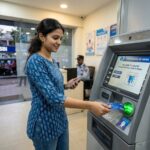
In today’s digital banking era, understanding How to Withdraw Money from ATM in India is a basic yet essential skill. ATMs (Automated Teller Machines) have made banking more accessible by allowing people to withdraw cash anytime, anywhere—without standing in long bank queues.
ATM usage is especially important in India, where cash is still widely used for daily transactions like shopping, travel, and small payments. Whether you live in a city or a rural area, ATMs provide quick access to your money 24/7.
This guide is specially designed for:
- First-time ATM users
- Beginners who feel confused or nervous
- Anyone who wants a simple, step-by-step explanation
If you’ve ever hesitated in front of an ATM machine, don’t worry—this guide will help you confidently understand How to Withdraw Money from ATM in India.

What is an ATM and How Does it Work?
An ATM (Automated Teller Machine) is an electronic banking outlet that allows customers to perform financial transactions without visiting a bank branch.
Basic Concept of ATM
When you insert your debit card into an ATM, the machine connects to your bank account through a secure network. You are asked to enter your ATM PIN (Personal Identification Number), which verifies your identity. Once authenticated, you can withdraw cash, check your balance, or perform other transactions.
Understanding this basic concept is the first step in learning How to Withdraw Money from ATM in India.
Types of ATM Machines in India
There are different types of ATMs available:
- On-site ATMs – Located inside bank branches
- Off-site ATMs – Found in public places like malls, airports, and streets
- White-label ATMs – Operated by private companies but accessible to all bank users
Knowing these types helps you identify where and how to safely use an ATM.
Things You Need Before Using an ATM
Before you learn How to Withdraw Money from ATM in India, make sure you have the following essentials:
1. Debit Card
This is the card issued by your bank, which you use at the ATM.
2. ATM PIN
A 4-digit secret number provided by your bank. This is crucial for security.
3. Bank Account Basics
Ensure your account has sufficient balance and is active.
Without these three things, you won’t be able to complete an ATM transaction.
Step-by-Step Process to Withdraw Money from ATM
This is the most important section of the guide. Follow these steps carefully to understand How to Withdraw Money from ATM in India:
Step 1: Insert Your Card
Insert your debit card into the ATM slot correctly.
Step 2: Select Language
Choose your preferred language (English, Hindi, or regional languages).
Step 3: Enter Your PIN
Enter your 4-digit ATM PIN carefully. Make sure no one is watching.
Step 4: Choose Withdrawal Option
Select “Cash Withdrawal” from the menu.
Step 5: Select Account Type
Choose between Savings or Current account.
Step 6: Enter Amount
Enter the amount you wish to withdraw.
Step 7: Confirm Transaction
Verify the amount and press confirm.
Step 8: Collect Cash
Take the cash from the machine immediately.
Step 9: Take Receipt
You can choose to get a printed receipt for your records.
Once you follow these steps, you’ll master How to Withdraw Money from ATM in India easily.
Safety Tips While Using ATM
Safety is extremely important when learning How to Withdraw Money from ATM in India.
Protect Your PIN
Never share your PIN with anyone—not even bank staff.
Avoid Unsecured ATMs
Use ATMs located in safe, well-lit areas.
Cover Keypad While Entering PIN
Always use your hand to cover the keypad to prevent theft.
Additional safety tips:
- Don’t accept help from strangers
- Check for suspicious devices on the ATM
- Keep your transaction quick and efficient
Common Mistakes to Avoid
Many beginners make simple mistakes while learning How to Withdraw Money from ATM in India. Avoid these:
Entering Wrong PIN
Entering the wrong PIN multiple times can block your card.
Leaving Card Behind
Always take your card after the transaction.
Ignoring Transaction Receipt
Receipts help you track your transactions and resolve issues.
Avoiding these mistakes will make your ATM experience smooth and stress-free.
ATM Withdrawal Limits in India
While learning How to Withdraw Money from ATM in India, it’s important to understand withdrawal limits.
Daily Limits
Most banks allow withdrawals between ₹10,000 and ₹50,000 per day.
Bank-wise Variations
Different banks have different limits depending on your account type.
Also, banks provide a limited number of free ATM transactions per month (usually 3–5). After that, small charges may apply.
What to Do If Something Goes Wrong
Sometimes, issues may occur even if you know How to Withdraw Money from ATM in India.
Card Stuck in ATM
- Do not panic
- Contact your bank immediately
- Block your card if necessary
Cash Not Dispensed but Debited
- Wait for 2–5 working days
- The amount is usually reversed automatically
- If not, file a complaint
Helpline/Contact Bank
Always keep your bank’s customer care number handy for emergencies.
Frequently Asked Questions (FAQs)
1. Can I withdraw money from any ATM in India?
Yes, you can use any bank’s ATM, but charges may apply after free transactions.
2. What happens if I enter the wrong PIN three times?
Your card may get temporarily blocked for security reasons.
3. Is it safe to use ATMs at night?
It is safer to use ATMs in well-lit and secure locations, even at night.
4. How long does it take to reverse failed transactions?
Usually within 2–5 working days.
5. Do I need a receipt after withdrawal?
It’s optional but recommended for record-keeping.
Conclusion
Learning How to Withdraw Money from ATM in India is a simple yet powerful skill that gives you independence and confidence in managing your finances. While the process may seem confusing at first, it becomes very easy once you try it a few times.
Always remember to follow safety precautions, avoid common mistakes, and stay alert while using ATMs. With the knowledge from this guide, you can now use any ATM in India without hesitation.
The next time you step into an ATM booth, you’ll know exactly what to do—and that confidence makes all the difference!