


Introduction
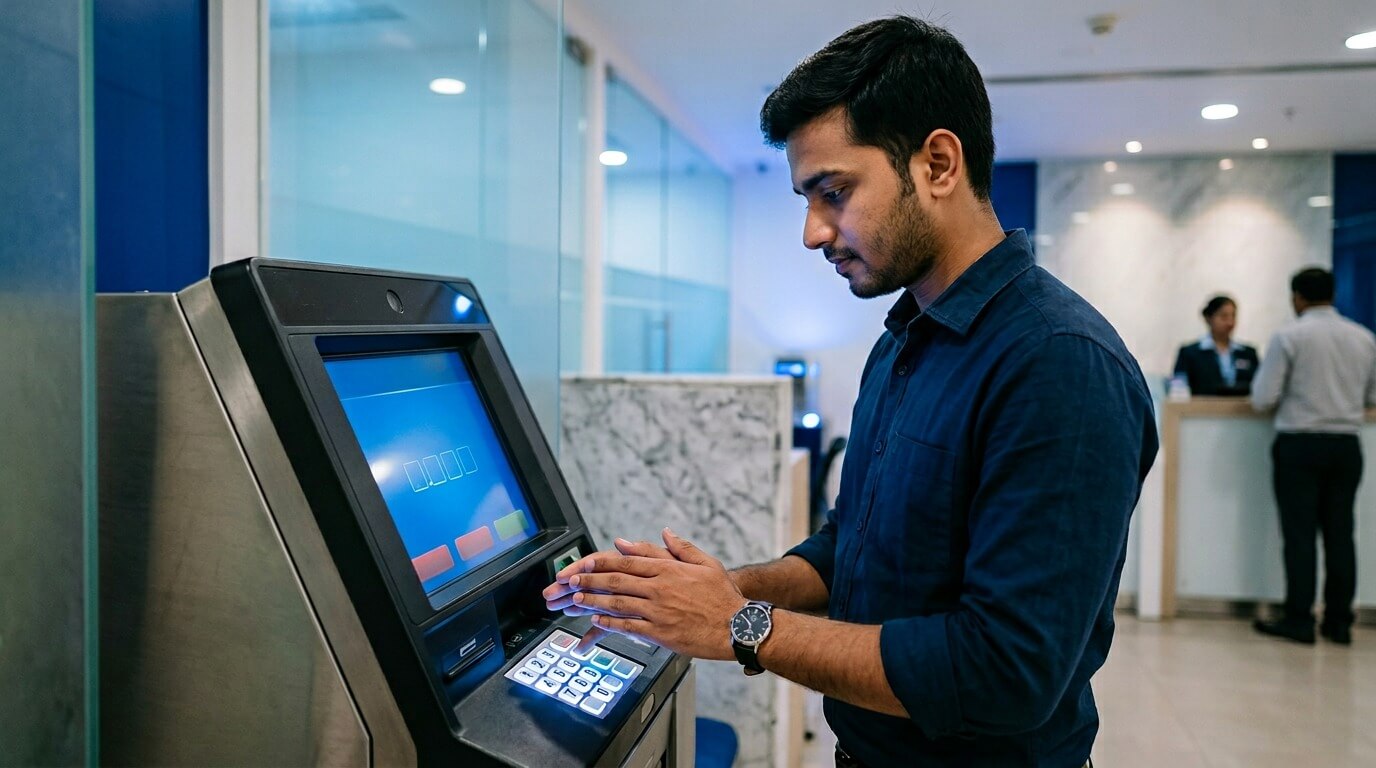
In today’s fast-paced digital world, banking has become easier and more convenient than ever. Automated Teller Machines (ATMs) allow you to perform various banking tasks without visiting a bank branch. However, with this convenience comes the responsibility of keeping your account secure. One of the most important steps in ensuring your financial safety is knowing how to change ATM PIN in ATM machine.
Your ATM PIN is like a password that protects your money. If someone gets access to it, they can misuse your account. That’s why regularly updating your PIN is a smart habit. Whether you’re a first-time ATM user or someone who wants to enhance account security, this guide will help you understand the complete process in a simple and easy-to-follow way.
What is an ATM PIN?
An ATM PIN (Personal Identification Number) is a secret numeric code linked to your debit or ATM card. It is used to authenticate your identity when performing transactions such as:
- Withdrawing cash
- Depositing money
- Checking account balance
- Transferring funds
Without the correct PIN, no one can access your account through an ATM. This is why it is essential to keep your PIN confidential and secure at all times.
Why is it Important to Change Your ATM PIN?
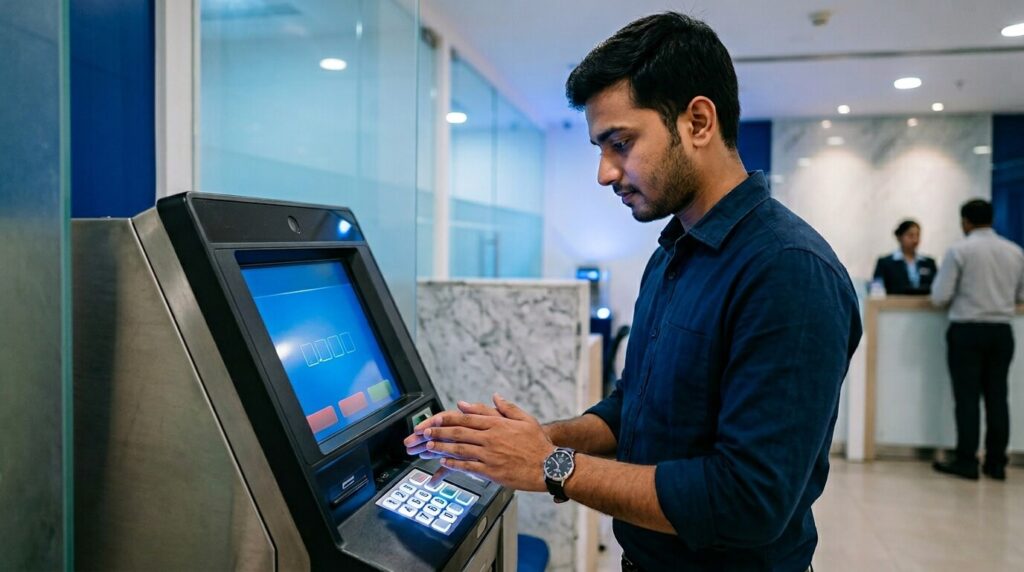
Understanding how to change ATM PIN in ATM machine is not just about convenience—it’s about security. Here are some important reasons why you should update your PIN regularly:
1. Prevent Unauthorized Access
Changing your PIN reduces the risk of fraud and keeps your account safe from hackers or scammers.
2. Forgotten PIN
If you forget your PIN, you can easily reset it using an ATM machine.
3. Suspicious Activity
If you notice any unusual transactions, changing your PIN immediately can prevent further misuse.
4. Regular Security Practice
Experts recommend changing your ATM PIN every 3–6 months for better protection.
Things You Need Before Changing ATM PIN
Before you start the process of how to change ATM PIN in ATM machine, make sure you have the following:
- Your ATM/Debit Card
- Your current PIN (if known)
- Your registered mobile number (for OTP verification in some cases)
How to Change ATM PIN in ATM Machine (Step-by-Step Process)
Now let’s understand the exact steps involved in how to change ATM PIN in ATM machine:
Step 1: Visit Your Nearest ATM
Go to the nearest ATM of your bank. It is always recommended to use your bank’s ATM for better security and smoother processing.
Step 2: Insert Your ATM Card
Insert your debit card into the machine. Some ATMs may require you to swipe the card instead.
Step 3: Select Your Preferred Language
Choose the language you are comfortable with, such as English, Hindi, or any regional language.
Step 4: Enter Your Existing PIN
Enter your current ATM PIN correctly. This step verifies your identity.
Step 5: Select “Change PIN” Option
From the menu displayed on the screen, select the option that says “Change PIN” or “PIN Services”.
Step 6: Enter Your New PIN
Enter your new 4-digit or 6-digit PIN carefully. Avoid choosing simple or predictable numbers.
Step 7: Confirm Your New PIN
Re-enter the new PIN to confirm it. Make sure both entries match.
Step 8: Completion and Confirmation
Once confirmed, your ATM PIN will be successfully updated. You may receive a confirmation message on your registered mobile number.
How to Change ATM PIN Without Old PIN
If you don’t remember your current PIN, you can still follow the process of how to change ATM PIN in ATM machine using the “Forgot PIN” option:
- Insert your ATM card
- Select “Create PIN” or “Forgot PIN”
- Enter your card details (if required)
- Enter the OTP sent to your registered mobile number
- Set a new PIN
- Confirm the new PIN
This method is simple and widely supported by most banks.
Tips to Create a Strong ATM PIN
When learning how to change ATM PIN in ATM machine, it’s equally important to choose a strong PIN. Here are some tips:
- Avoid common numbers like 1234, 0000, or your birth year
- Do not use easily guessable information like phone numbers
- Mix random digits for better security
- Never share your PIN with anyone
- Do not write your PIN on your card or wallet
Common Mistakes to Avoid
While following how to change ATM PIN in ATM machine, people often make mistakes. Avoid these:
- Entering the wrong PIN multiple times (your card may get blocked)
- Using unsafe or poorly lit ATMs
- Ignoring suspicious activity alerts
- Choosing weak PIN combinations
- Not covering the keypad while entering PIN
Benefits of Changing ATM PIN Regularly
There are several benefits of understanding and applying how to change ATM PIN in ATM machine:
- Improves overall account security
- Protects against fraud and cybercrime
- Gives you control over your banking details
- Reduces chances of unauthorized transactions
- Builds confidence in using ATM services
Safety Tips While Using ATM Machines
Security doesn’t stop at changing your PIN. Here are some additional safety tips:
- Always use ATMs located in secure areas
- Avoid taking help from strangers
- Check for any unusual devices attached to the ATM
- Always log out properly after completing transactions
- Keep your transaction receipts safe
Alternative Ways to Change ATM PIN
Apart from learning how to change ATM PIN in ATM machine, you can also change your PIN through:
1. Internet Banking
Log in to your bank’s website and change your PIN under card services.
2. Mobile Banking App
Most banks provide mobile apps where you can update your ATM PIN easily.
3. Customer Care
You can call your bank’s customer service and follow instructions to reset your PIN.
FAQs
1. How long does it take to change ATM PIN?
It usually takes less than 2 minutes to complete the process at an ATM.
2. Can I change my ATM PIN at any bank ATM?
It is recommended to use your bank’s ATM, but some banks allow changes at other ATMs.
3. What should I do if my ATM card gets blocked?
Contact your bank’s customer care or visit the nearest branch to unblock it.
4. Is it necessary to change ATM PIN regularly?
Yes, changing your PIN regularly helps improve security.
5. Can I reuse my old ATM PIN?
It is not recommended for security reasons.
Conclusion
Understanding how to change ATM PIN in ATM machine is an essential skill for anyone who uses banking services. It not only helps you maintain control over your finances but also protects you from potential fraud and unauthorized access.
By following the simple steps outlined in this guide, you can easily update your PIN within minutes. Always remember to choose a strong and unique PIN, keep it confidential, and update it regularly. With these practices, you can enjoy a safe and hassle-free banking experience.