Online Banking Security Tips

Introduction
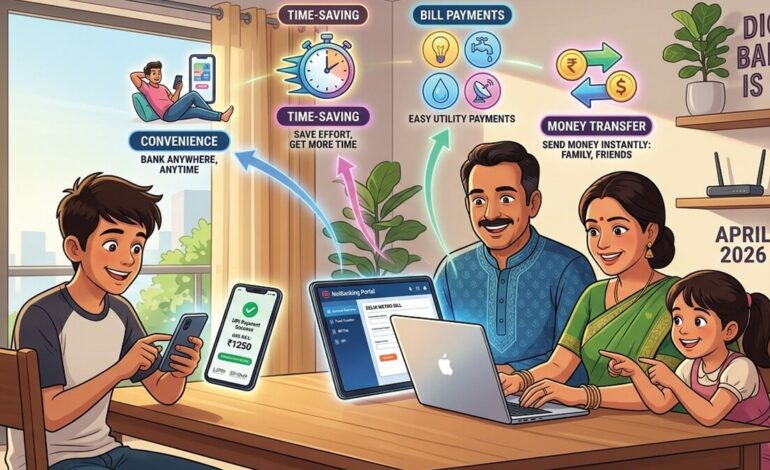
In today’s fast-moving digital world, online banking has become a necessity rather than a choice. From paying bills to transferring money, everything is just a few clicks away. While this convenience saves time, it also opens the door to cyber threats. This is where Online Banking Security Tips become crucial.
With the rise in cybercrime, understanding online banking safety, digital payment security, and cybersecurity for banking is no longer optional—it’s essential. Whether you’re a beginner or someone who uses internet banking daily, learning how to protect your online banking account from hackers can save you from financial loss and stress.
In this blog, we’ll explore the best online banking security tips for beginners and practical strategies to ensure safe online transactions and strong bank account protection.
Why Online Banking Security Matters
Before diving into the tips, it’s important to understand why secure internet banking is critical.
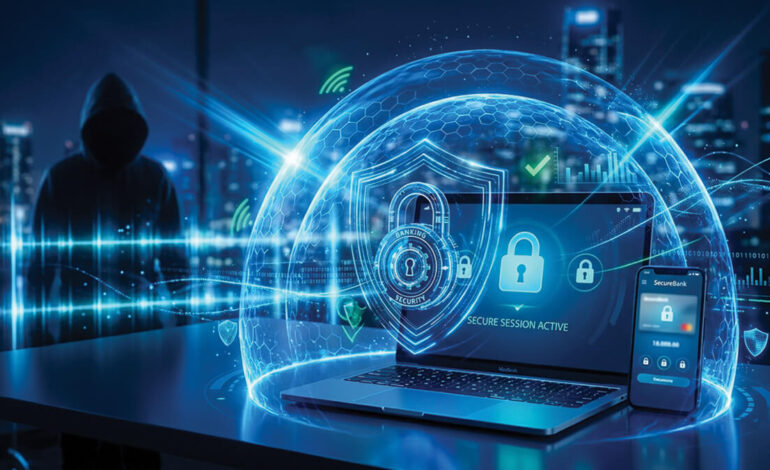
Cybercriminals are constantly developing new ways to access your sensitive information. Without proper banking fraud awareness, you may fall victim to phishing scams, malware attacks, or identity theft.
The consequences can be serious:
- Unauthorized transactions
- Loss of personal data
- Financial damage
- Emotional stress
Practicing simple ways to secure your bank account online can significantly reduce these risks and ensure peace of mind.
1. Use Strong and Unique Passwords
One of the most basic yet powerful Online Banking Security Tips is creating strong passwords.
Avoid using:
- Your name or birthdate
- Common passwords like “123456”
- The same password across multiple accounts
Instead:
- Use a mix of uppercase, lowercase, numbers, and symbols
- Create passwords that are at least 12 characters long
- Use a password manager if needed
Strong passwords are your first step toward bank account protection and secure internet banking.
2. Enable Two-Factor Authentication (2FA)
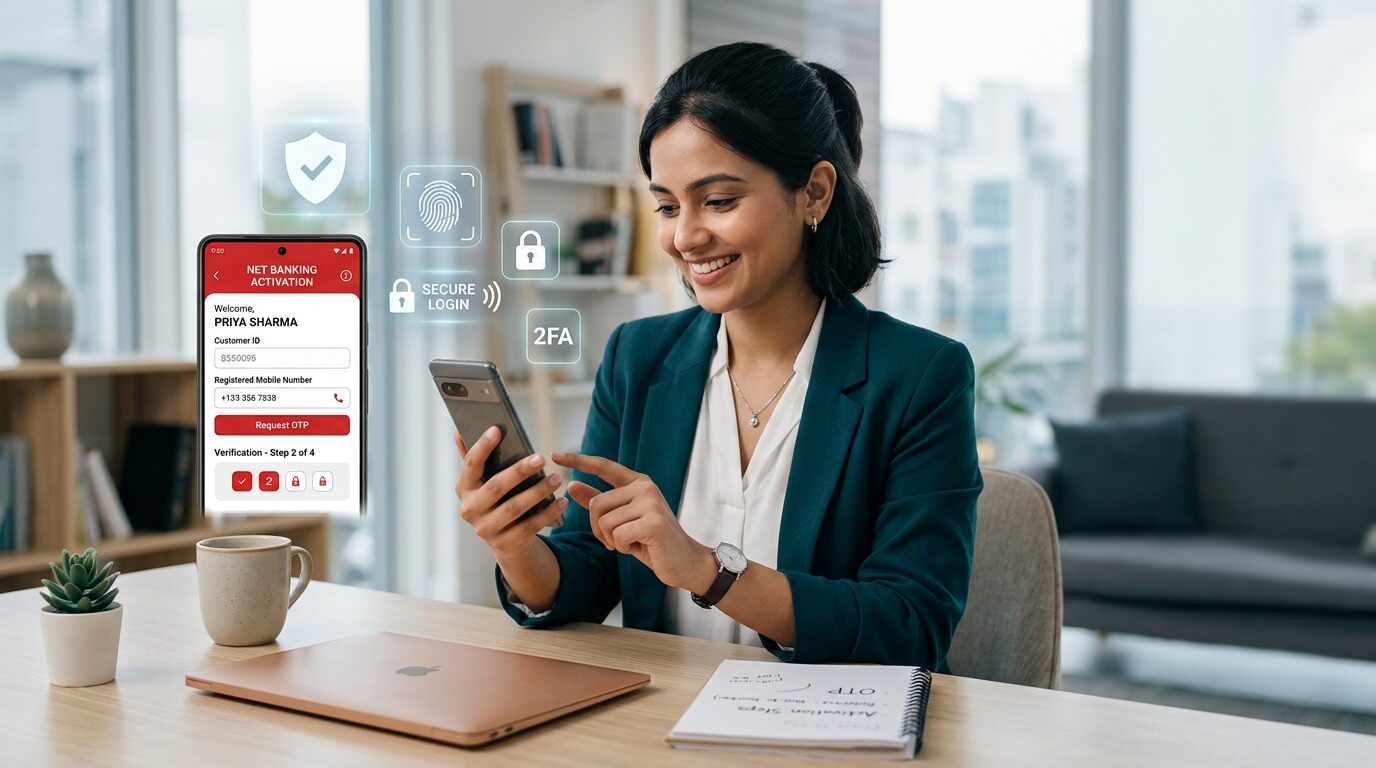
If you’re wondering how to keep your money safe in online banking, enabling 2FA is a must.
Two-factor authentication adds an extra layer of protection by requiring:
- Something you know (password)
- Something you have (OTP or authentication app)
Even if someone gets your password, they won’t be able to access your account without the second factor. This is a key part of modern cybersecurity for banking.
3. Avoid Public Wi-Fi for Banking
Public Wi-Fi networks are convenient but risky. Hackers can easily intercept your data on unsecured networks.
To ensure safe online transactions:
- Avoid logging into your bank account on public Wi-Fi
- Use mobile data or a trusted network
- Consider using a VPN for added security
This is one of the most overlooked yet important online banking safety tips.
4. Keep Your Devices and Apps Updated
Outdated software is an easy target for hackers. Updates often include security patches that fix vulnerabilities.
For better digital payment security:
- Regularly update your smartphone and computer
- Keep your banking apps updated
- Enable automatic updates
This simple habit strengthens your secure internet banking experience.
5. Beware of Phishing Scams
Phishing is one of the most common online threats. It involves fake emails, messages, or websites designed to steal your information.
For effective phishing attack prevention:
- Never click on suspicious links
- Check the sender’s email address carefully
- Avoid sharing sensitive information through email or SMS
Understanding online banking safety tips to avoid phishing scams can help you stay one step ahead of fraudsters.
6. Monitor Your Bank Statements Regularly
Keeping track of your transactions is essential for banking fraud awareness.
Make it a habit to:
- Check your bank statements weekly
- Look for unfamiliar transactions
- Report suspicious activity immediately
Many banks offer real-time alerts, which help you maintain strong bank account protection.
7. Use Only Trusted Banking Apps
Downloading apps from unofficial sources can expose you to malware and fraud.
For secure internet banking:
- Download apps only from official app stores
- Verify the app developer
- Read reviews before installing
Using trusted apps ensures better digital payment security and reduces risks.
8. Always Log Out After Use
It may seem like a small step, but logging out is critical—especially when using shared or public devices.
To ensure online banking safety:
- Always log out after completing transactions
- Avoid saving passwords on shared devices
This habit plays a big role in simple ways to secure your bank account online.
9. Set Transaction Limits and Alerts
Setting limits can help minimize potential losses in case of fraud.
For better safe online transactions:
- Set daily transaction limits
- Enable SMS/email alerts
- Monitor large transactions carefully
This proactive approach enhances your cybersecurity for banking strategy.
10. Never Share Sensitive Information
Banks will never ask for your:
- PIN
- OTP
- CVV
- Password
If someone asks for these details, it’s a scam.
Understanding this is crucial for how to prevent fraud in online banking transactions and improving your banking fraud awareness.
Bonus Tips for Extra Security
To further strengthen your online banking safety, consider these extra steps:
- Use biometric authentication (fingerprint/face ID)
- Install antivirus software
- Avoid clicking unknown links
- Regularly change your passwords
These additional measures enhance overall cybersecurity for banking and keep your finances safe.
Common Online Banking Mistakes to Avoid
Even small mistakes can lead to big problems. Avoid these:
- Reusing passwords across platforms
- Ignoring security alerts
- Using unsecured websites
- Falling for “too good to be true” offers
Being aware of these mistakes improves your banking fraud awareness and ensures better safe online transactions.
FAQs
1. Is online banking safe?
Yes, online banking is safe if you follow proper Online Banking Security Tips and maintain good security habits.
2. What should I do if I suspect fraud?
Immediately contact your bank, block your account, and report the issue.
3. How can I improve my online banking safety?
Follow best online banking security tips for beginners, enable 2FA, and monitor your account regularly.
4. Can hackers access my bank account easily?
Not if you follow proper secure internet banking practices and avoid sharing sensitive information.
5. What is the best way to prevent phishing?
Stay alert, verify sources, and follow online banking safety tips to avoid phishing scams.
Conclusion
Online banking has made financial transactions easier than ever, but it also requires responsibility. By following these Online Banking Security Tips, you can significantly reduce your risk of fraud and ensure safe online transactions.
From using strong passwords to understanding phishing attack prevention, every step you take contributes to better bank account protection. Remember, staying informed and alert is the key to how to keep your money safe in online banking.
Start implementing these tips today and take control of your financial security. Because when it comes to your money, prevention is always better than cure.