Benefits of Internet Banking: Why It’s the Future of Banking in 2026

In today’s fast-paced digital world, convenience and speed are everything. Gone are the days when people had to stand in long queues at banks just to check their balance, transfer money, or pay bills. With the rise of digital technology, internet banking has transformed the way we manage our finances. Whether you are a student, a working professional, or a business owner, internet banking offers unmatched ease and efficiency.
In this blog, we’ll explore the benefits of internet banking, why it has become essential in modern life, and how it helps individuals and businesses manage money smarter.
What is Internet Banking?
Internet banking, also known as online banking or digital banking, allows users to perform financial transactions through a bank’s website or mobile app. It eliminates the need to visit a physical branch and enables customers to access banking services anytime, anywhere.
Top Benefits of Internet Banking
1. 24/7 Access to Banking Services
One of the biggest advantages of internet banking is round-the-clock availability. Unlike traditional banks that operate during fixed hours, internet banking allows you to:
- Check account balance anytime
- Transfer funds instantly
- Pay bills without delays
This flexibility is especially helpful during emergencies or when you need quick financial access outside banking hours.
2. Convenience and Time-Saving
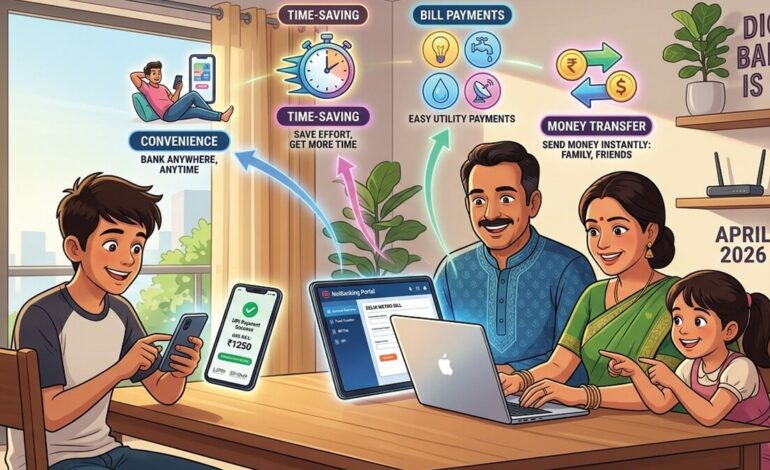
Internet banking saves a significant amount of time and effort. Instead of visiting a bank branch, you can complete tasks in minutes from your home or office.
For example:
- No more waiting in long queues
- No paperwork for basic transactions
- Faster processing of payments
This convenience makes it an ideal solution for busy individuals.
3. Easy Fund Transfers
With internet banking, transferring money has become seamless. You can send money to anyone, anywhere, using services like:
- NEFT (National Electronic Funds Transfer)
- RTGS (Real-Time Gross Settlement)
- IMPS (Immediate Payment Service)
- UPI (Unified Payments Interface)
These options ensure quick and secure money transfers, often completed within seconds.
4. Bill Payments Made Simple
Paying bills manually can be time-consuming and stressful. Internet banking simplifies this process by allowing you to:
- Pay electricity, water, and gas bills
- Recharge mobile and DTH services
- Set up automatic payments
This ensures that you never miss a due date, avoiding late fees and penalties.
5. Real-Time Account Monitoring
Internet banking provides real-time updates on your transactions and account balance. This helps you:
- Track your spending habits
- Monitor incoming and outgoing payments
- Detect unauthorized transactions quickly
Such transparency gives users better control over their finances.
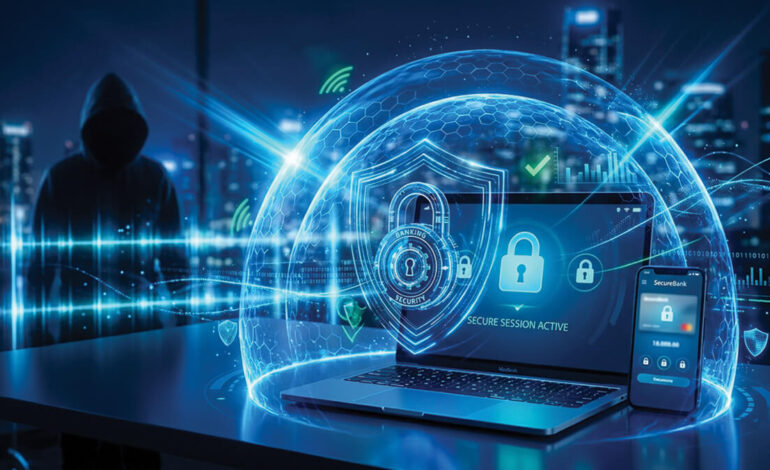
6. Enhanced Security Features
Modern internet banking platforms come with advanced security measures, including:
- Two-factor authentication (2FA)
- OTP (One-Time Password) verification
- Encryption technology
- Biometric login (fingerprint/face ID)
These features ensure that your financial data remains safe and secure.
7. Paperless Banking
Internet banking promotes eco-friendly practices by reducing the need for paper. You can:
- Access digital bank statements
- Download transaction history
- Apply for services online
This not only saves paper but also helps in better record management.
8. Quick Access to Financial Services
Internet banking is not limited to transactions. It also provides access to various financial services, such as:
- Applying for loans
- Opening fixed deposits
- Managing investments
- Requesting cheque books
All these services are available with just a few clicks.
9. Cost-Effective Banking
Internet banking reduces operational costs for banks, and many of these savings are passed on to customers. As a result:
- Lower transaction fees
- Free online fund transfers (in many cases)
- Reduced service charges
This makes internet banking a cost-effective option.
10. Better Financial Management
With features like transaction history, spending analysis, and budgeting tools, internet banking helps users manage their finances efficiently.
You can:
- Categorize expenses
- Set financial goals
- Analyze monthly spending patterns
This leads to smarter financial decisions.
11. Instant Notifications and Alerts
Internet banking keeps you informed through SMS and email alerts for every transaction. These alerts help you:
- Stay updated on account activity
- Detect fraud immediately
- Maintain better financial awareness
12. Global Access
Whether you are traveling abroad or living in another country, internet banking allows you to access your account without any restrictions.
You can:
- Transfer money internationally
- Pay bills from anywhere
- Manage your finances globally
13. Seamless Integration with Digital Payments
Internet banking works smoothly with digital payment platforms and wallets. It allows easy linking with:
- UPI apps
- Mobile wallets
- E-commerce platforms
This integration enhances the overall digital payment experience.
14. Customizable Services
Most internet banking platforms allow users to personalize their experience. You can:
- Set transaction limits
- Choose notification preferences
- Manage beneficiaries
This customization improves user convenience and security.
15. Safe and Contactless Banking
In situations like pandemics or emergencies, internet banking provides a safe way to manage finances without physical contact. This ensures:
- Reduced health risks
- Safe transactions from home
- No dependency on physical banking
Advantages for Businesses
Internet banking is not just beneficial for individuals but also for businesses.
1. Efficient Cash Flow Management
Businesses can monitor cash flow in real time and manage finances better.
2. Faster Payments
Suppliers and employees can be paid instantly without delays.
3. Bulk Transactions
Businesses can process multiple transactions at once, saving time and effort.
4. Better Record Keeping
Digital records make accounting and auditing easier.
Challenges of Internet Banking
While internet banking offers numerous benefits, it also comes with some challenges:
- Risk of cyber fraud if not used carefully
- Dependence on internet connectivity
- Technical issues or server downtime
However, these risks can be minimized by following proper security practices.
Tips to Use Internet Banking Safely
To enjoy the benefits of internet banking securely, follow these tips:
- Use strong and unique passwords
- Avoid public Wi-Fi for transactions
- Never share OTP or login details
- Regularly monitor your account
- Enable two-factor authentication
Future of Internet Banking
The future of internet banking looks promising with advancements in technology such as:
- Artificial Intelligence (AI)
- Blockchain technology
- Voice-enabled banking
- Personalized financial insights
These innovations will make banking even more secure, efficient, and user-friendly.
Conclusion
Internet banking has revolutionized the way people interact with financial institutions. From 24/7 access and convenience to enhanced security and cost savings, the benefits are undeniable. It empowers users to take control of their finances while saving time and effort.
As digital adoption continues to grow, internet banking will become even more advanced and essential in everyday life. By using it wisely and securely, you can make the most of this powerful financial tool.
FAQs on Benefits of Internet Banking
1. What are the main benefits of internet banking?
The main benefits include convenience, 24/7 access, quick transactions, cost savings, and enhanced security.
2. Is internet banking safe to use?
Yes, internet banking is safe if you follow security practices like using strong passwords and not sharing OTPs.
3. Can I transfer money using internet banking?
Yes, you can transfer money using NEFT, RTGS, IMPS, and UPI services.
4. Does internet banking save money?
Yes, it reduces transaction fees and eliminates the need for physical visits to banks.
5. Who can use internet banking?
Anyone with a bank account and internet access can use internet banking services.